Baby Nasal Aspirator Not Working? Troubleshooting Tips for Effective Mucus Removal
When your baby is congested and the nasal aspirator stops working properly, it can be frustrating for both parent and child. Learn how to troubleshoot common issues with electric nasal aspirators and restore effective mucus removal.
When your baby is struggling with nasal congestion, a malfunctioning nasal aspirator adds unnecessary stress to an already challenging situation. If your device isn't providing the suction power you need or has stopped working altogether, there are several practical troubleshooting steps you can take before considering a replacement.
Common Issues and Quick Fixes
Most problems with electric nasal aspirators stem from a few recurring causes. Understanding these can help you resolve issues quickly and get back to providing relief for your little one.
Weak or No Suction
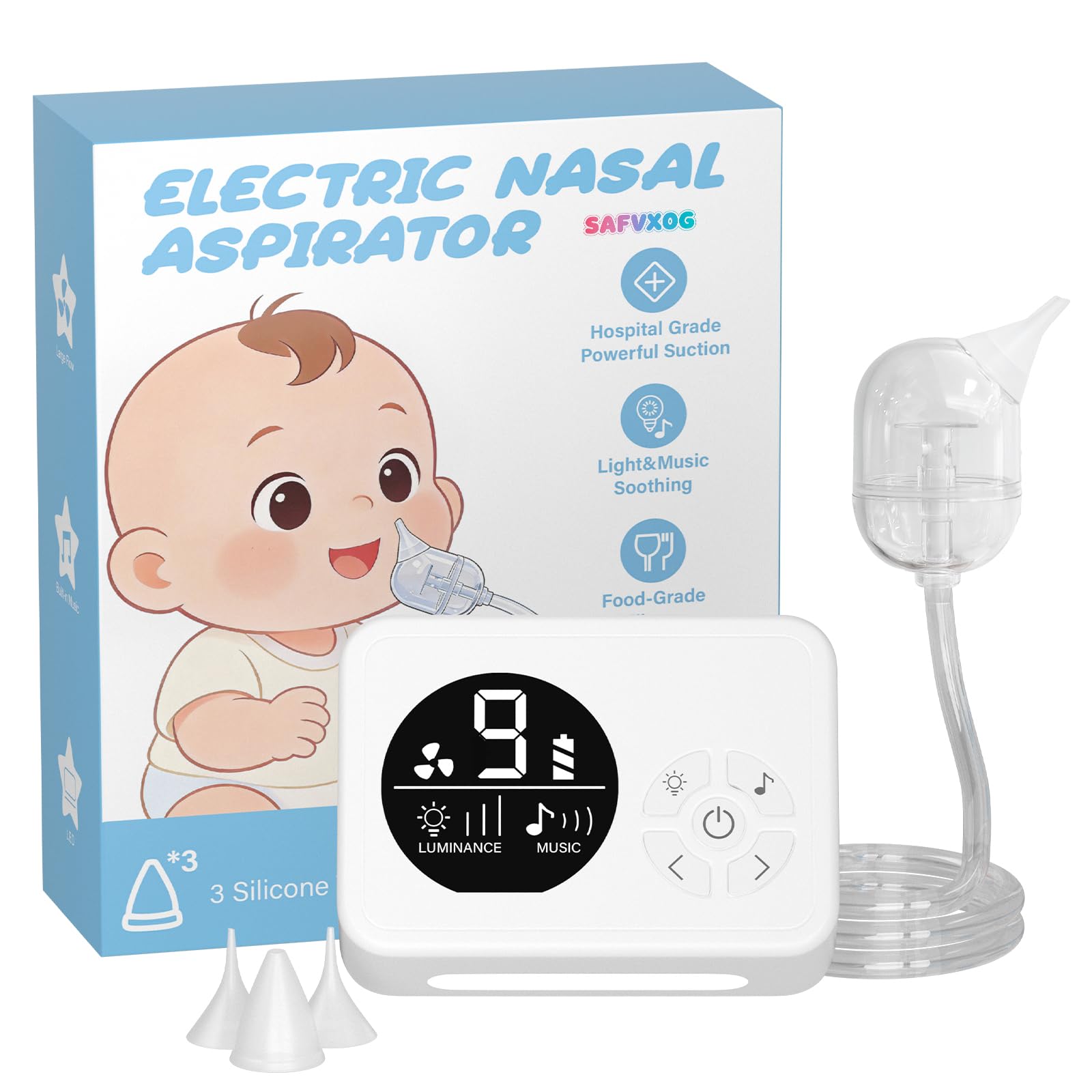
If your aspirator seems to have lost its effectiveness, start by checking the suction level settings. The Nasal Aspirator for Baby Hospital Grade 9-Level Suction Nose Sucker offers adjustable power up to 70 kPa across nine levels, allowing you to increase intensity for stubborn mucus. Many parents don't realize their device is simply set too low for thicker congestion.
Blockages and Cleaning Problems
Dried mucus buildup is the most frequent culprit behind poor performance. Check these areas:
- Inspect the silicone tip for visible blockages
- Examine the collection chamber for accumulated mucus
- Look inside the tubing for dried residue
- Ensure all detachable parts are properly reassembled
The design includes fully detachable components that contact fluids, making thorough cleaning straightforward. Disassemble after each use and rinse with warm water. The included tube cleaning tool helps reach areas that are difficult to access with regular washing.
Device Won't Power On
Before assuming a battery failure, verify the charging connection is secure and the device has been plugged in long enough for a full charge. Check that no moisture has entered the battery compartment, as this can interrupt power flow.
Maintaining Optimal Performance
Regular maintenance prevents most operational issues. Establish a routine of disassembling and cleaning all parts immediately after use, before mucus hardens. Store the device in a dry location, and avoid exposing it to excessive moisture between uses.
The medical-grade silicone tip should remain soft and pliable. If it becomes stiff or shows cracks, performance will decline. The baby-safe materials used throughout ensure durability, but proper care extends the device's lifespan.
Who This Solution Suits
This troubleshooting approach works well for parents dealing with standard operational issues on electric nasal aspirators. The adjustable suction levels and detachable design make problem-solving more manageable than with fixed-power or non-disassembling models. The compact size also means it's easy to keep accessible in your diaper bag or medicine kit for on-the-go needs.
Who Should Consider Alternatives
If your device has electrical failures beyond simple power issues, or if the motor makes unusual grinding sounds, professional repair or replacement may be necessary. Parents seeking the absolute quietest operation might find the soothing music feature helpful, though it won't solve mechanical problems.
Final Verdict
Most nasal aspirator problems trace back to cleaning and maintenance rather than device failure. By systematically checking suction settings, clearing blockages, and ensuring proper assembly, you can restore full functionality in minutes. The hospital-grade construction and thoughtful design features like the three-level night light and included cleaning tool support long-term reliability when properly maintained.
Related Buying Guides
- How to Choose the Right Baby Shower Cap: A Beginner's Guide
- 3-Piece Starter Kit vs 10-Pack Bulk Supply: Choosing the Right Medicine Dispenser Strategy
- Jool Baby TinyBums Wipe Warmer: Gray vs Oatmeal Feature-by-Feature Comparison
- Car Window Shades for Baby FAQ: Answers to Your Sun Protection Questions
- Building Your Baby's First Medicine Kit for Fall 2026: Essential Dispensers for Cold Season
- Best Kennel Cover for Outdoor Dogs: Weatherproof Protection Guide