How to Clean and Care for Your Baby's Silicone Bath Scrubber: A Complete Maintenance Guide
Silicone bath scrubbies are gentle on delicate skin and long-lasting, but only if you care for them properly. This guide walks you through daily cleaning routines, deep sanitation methods, and storage best practices to keep your baby's bath tools fresh and hygienic between uses.
Silicone bath scrubbies have become a bath-time staple for parents managing cradle cap and daily cleansing routines. Unlike traditional washcloths that harbor bacteria and deteriorate quickly, silicone tools resist mold and mildew when maintained correctly. However, improper care can lead to buildup, reduced effectiveness, and hygiene concerns.
This guide covers the complete maintenance routine for silicone baby bath scrubbies, ensuring they stay clean, effective, and safe for your little one.
Daily Cleaning After Each Bath
The most important maintenance step happens immediately after every use. Rinse your silicone scrubber thoroughly under warm running water, working your fingers through the bristles to remove all soap residue and loosened skin cells. Squeeze gently to expel trapped water from the center.
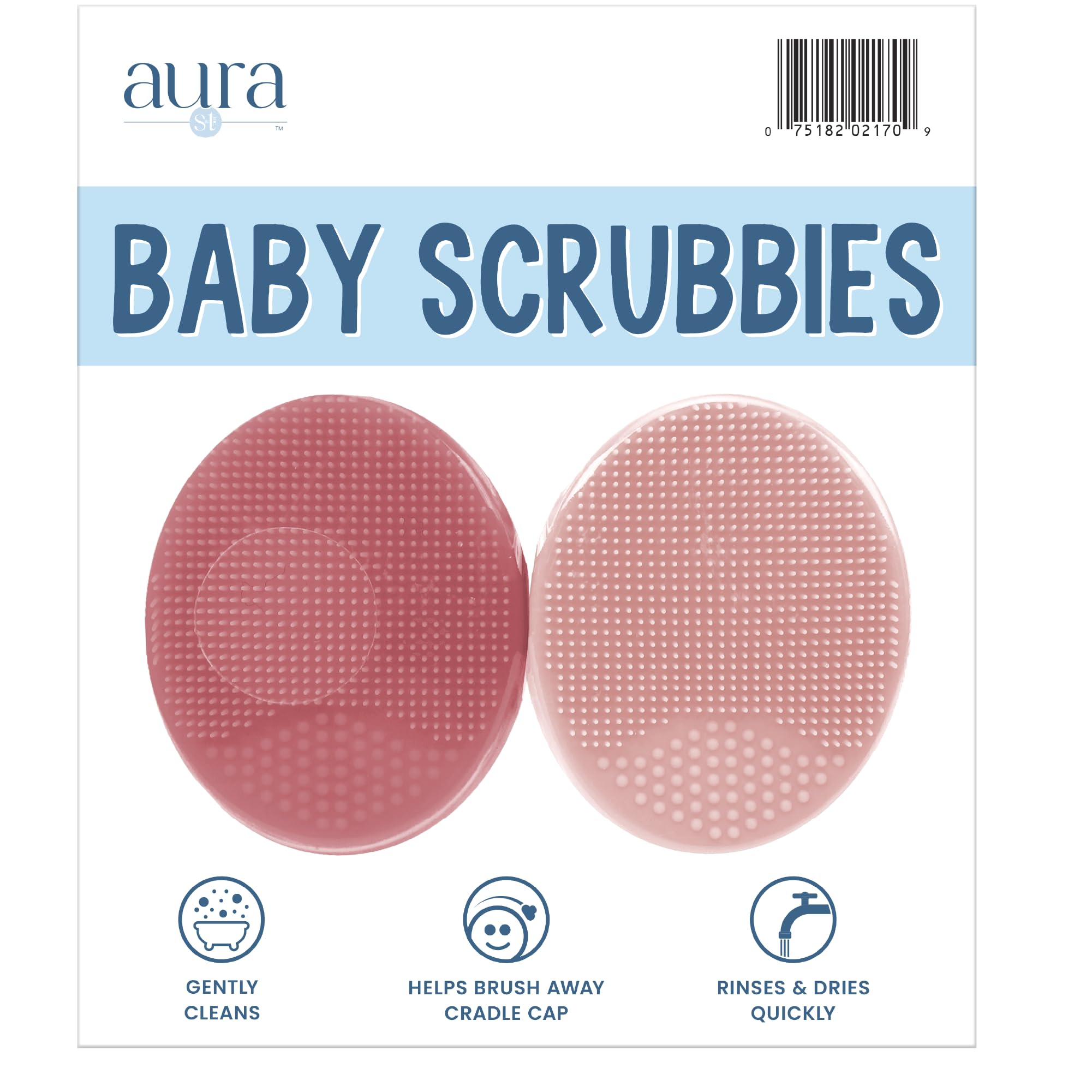
The S&T INC. Cradle Cap Brush for Baby, 2 Pack, 2" x 2.5", Pink features a suction cup handle that simplifies this process. After rinsing, press the suction cup firmly against a smooth tile wall or glass surface. This upright storage position allows air circulation around all sides, promoting rapid drying and preventing moisture accumulation that invites bacterial growth.
Weekly Deep Cleaning Protocol
Once a week, perform a deeper sanitation to maintain peak hygiene. Follow these steps:
- Fill a small bowl with warm water and add a few drops of gentle dish soap
- Submerge the scrubber and work the bristles with your fingers to create lather
- Let it soak for 5-10 minutes to loosen any embedded residue
- Rinse thoroughly under running water until no soap remains
- For extra sanitation, pour boiling water over the silicone (it can withstand high temperatures)
- Shake off excess water and suction to your drying surface
What to Avoid
Never place silicone scrubbies in enclosed containers or drawers while damp. Avoid using harsh chemical cleaners, bleach, or abrasive scrubbing pads that can degrade the silicone material. Do not share bath tools between children without sanitizing between uses.
When to Replace Your Scrubber
With proper care, quality silicone scrubbies last months. Replace yours if you notice persistent discoloration that does not wash away, torn bristles, a compromised suction cup, or any unpleasant odor that remains after deep cleaning.
The Verdict
Maintaining silicone bath scrubbies requires minimal effort but delivers significant benefits. Daily rinsing and proper air-drying prevent most hygiene issues, while weekly deep cleaning keeps the tool performing like new. The investment of a few extra seconds after each bath protects your baby's skin and extends the product's useful life.
Who This Maintenance Routine Suits
This care approach works for any parent using silicone bath tools, especially those dealing with cradle cap who need consistent, reliable cleansing. The quick routine fits seamlessly into existing bath-time workflows.
Who Should Skip This
If you prefer disposable or machine-washable bath accessories that require zero manual maintenance, silicone scrubbies may not align with your preferences, though the hands-on care remains minimal compared to fabric alternatives.
Related Buying Guides
- How to Choose the Right Baby Shower Cap: A Beginner's Guide
- 3-Piece Starter Kit vs 10-Pack Bulk Supply: Choosing the Right Medicine Dispenser Strategy
- Jool Baby TinyBums Wipe Warmer: Gray vs Oatmeal Feature-by-Feature Comparison
- Car Window Shades for Baby FAQ: Answers to Your Sun Protection Questions
- Building Your Baby's First Medicine Kit for Fall 2026: Essential Dispensers for Cold Season
- Best Kennel Cover for Outdoor Dogs: Weatherproof Protection Guide