How to Keep Your Baby Car Mirror Clean and Safe: Maintenance Tips Every Parent Needs
Your baby car mirror is a safety essential, but without proper care it can lose clarity or become a hazard. This maintenance guide shows you how to clean, inspect, and secure your rear-facing mirror for optimal performance on every drive.
Once you install a rear-facing baby car mirror, the maintenance work begins. Regular cleaning and safety checks ensure you always have a clear, distortion-free view of your little one without compromising vehicle safety. Most parents overlook mirror maintenance until visibility degrades or straps loosen, but a simple routine keeps everything working properly.
Why Regular Mirror Maintenance Matters
Dust, fingerprints, and road grime accumulate quickly on car mirrors. A dirty surface creates glare and reduces clarity, defeating the purpose of having a mirror in the first place. Beyond cleanliness, loose straps or shifting angles can turn a safety tool into a distraction or even a projectile risk during sudden stops.
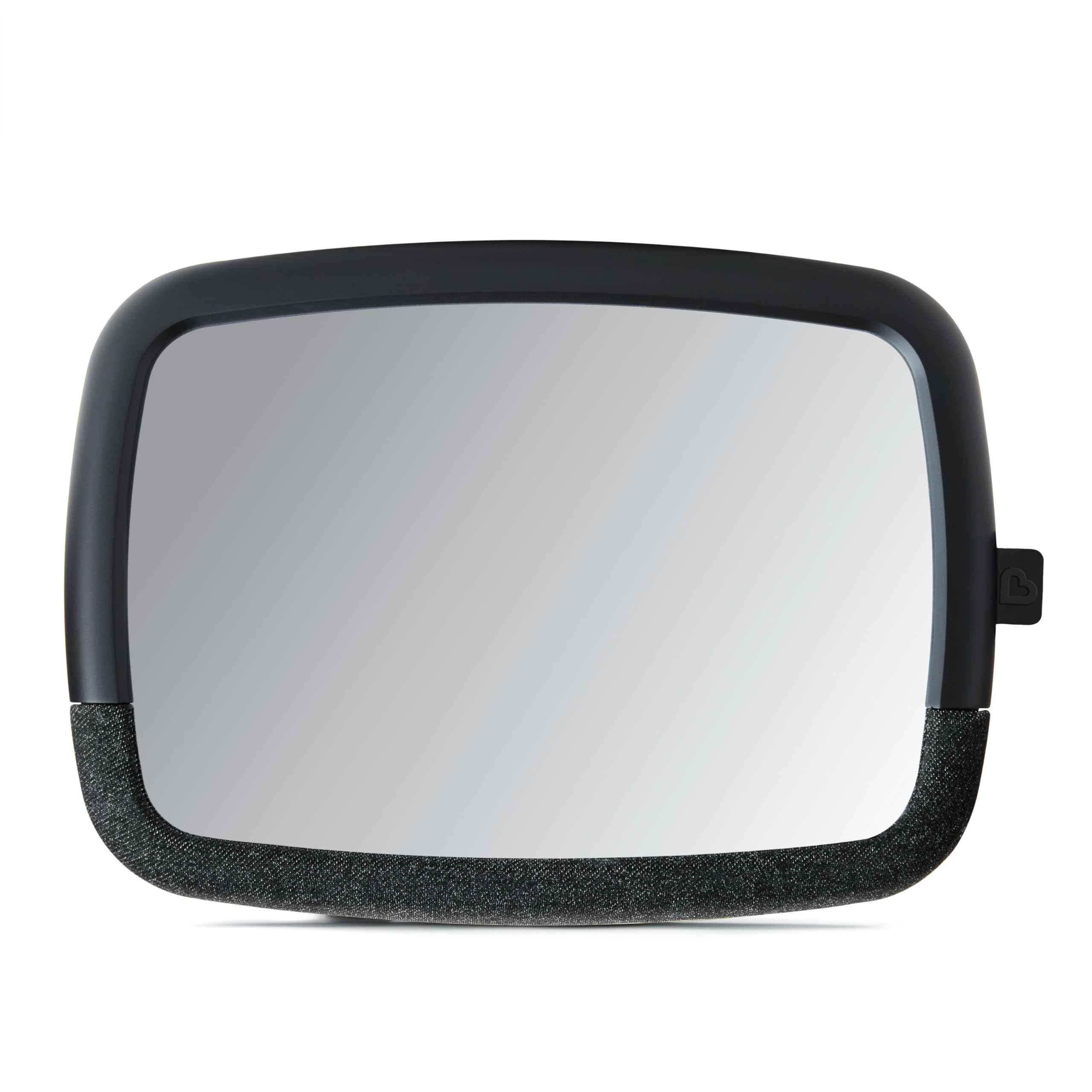
The Munchkin Pivot 360 Baby Car Mirror for Rear-Facing Car Seats, Black features durable seatbelt material straps and a crash-tested, shatter-resistant design, but even quality construction requires periodic attention.
Step-by-Step Cleaning Routine
Establishing a weekly cleaning schedule takes just minutes and prevents buildup that damages anti-glare coatings or scratches acrylic surfaces.
What You Need
- Microfiber cloth (never paper towels, which scratch)
- Distilled water or glass cleaner without ammonia
- Cotton swab for edges and pivot joints
Cleaning Process
- Remove the mirror from the headrest by unbuckling the straps
- Wipe the mirror surface gently with a damp microfiber cloth in circular motions
- Use a cotton swab around the frame and 360-degree pivot mechanism to clear dust
- Dry completely with a clean microfiber cloth before reinstalling
- Check strap buckles for debris that might weaken the hold
The Munchkin Pivot 360 Baby Car Mirror for Rear-Facing Car Seats, Black measures 11.25 inches by 8 inches, providing an extra-large viewing area that shows more grime than smaller mirrors, making consistent cleaning essential.
Safety Inspection Checklist
Every two weeks, perform a quick safety audit alongside your cleaning:
| Check Point | What to Look For |
|---|---|
| Strap Integrity | No fraying, cuts, or stretched areas on seatbelt material |
| Buckle Function | Clicks firmly, releases smoothly without sticking |
| Mirror Surface | No cracks, chips, or separation from frame |
| Pivot Joint | Holds angle firmly, rotates without grinding or looseness |
| Headrest Fit | No wobble or sliding when tugged gently |
This mirror is compatible with adjustable headrests but not fixed headrests. If your vehicle headrest height changes frequently, recheck tension after each adjustment.
When to Replace vs. Repair
Shatter-resistant mirrors can develop internal cracks invisible from the front. If you notice distortion in your reflection that cleaning does not fix, or if the pivot mechanism loosens and will not hold an angle, replacement is safer than attempting repairs.
Strap replacement is generally not viable since the seatbelt material is permanently attached. A compromised strap means a compromised mirror.
Who This Maintenance Routine Suits
Parents who drive daily and want maximum visibility of rear-facing infants. Families who value proactive safety over reactive fixes. Anyone who has dealt with a foggy or loose mirror mid-commute.
Who Should Skip This Product
Vehicles with fixed headrests, as the strap system requires adjustable posts. Families looking for a tool-free, permanent installation with zero maintenance.
The Bottom Line
A well-maintained baby car mirror delivers clear, safe views for years. The Munchkin Pivot 360 Baby Car Mirror for Rear-Facing Car Seats, Black requires minimal upkeep but rewards consistent care with distortion-free visibility and reliable attachment. Weekly cleaning and biweekly inspections prevent most common issues before they affect your drive.
Related Buying Guides
- How to Choose the Right Baby Shower Cap: A Beginner's Guide
- 3-Piece Starter Kit vs 10-Pack Bulk Supply: Choosing the Right Medicine Dispenser Strategy
- Jool Baby TinyBums Wipe Warmer: Gray vs Oatmeal Feature-by-Feature Comparison
- Car Window Shades for Baby FAQ: Answers to Your Sun Protection Questions
- Building Your Baby's First Medicine Kit for Fall 2026: Essential Dispensers for Cold Season
- Best Kennel Cover for Outdoor Dogs: Weatherproof Protection Guide