How to Maintain Your Baby Bath Seat: Essential Care Tips for Safety and Longevity
Proper maintenance of your baby bath seat ensures safety, hygiene, and longevity. Follow these essential care tips to keep your bath seat in optimal condition for every bath time.
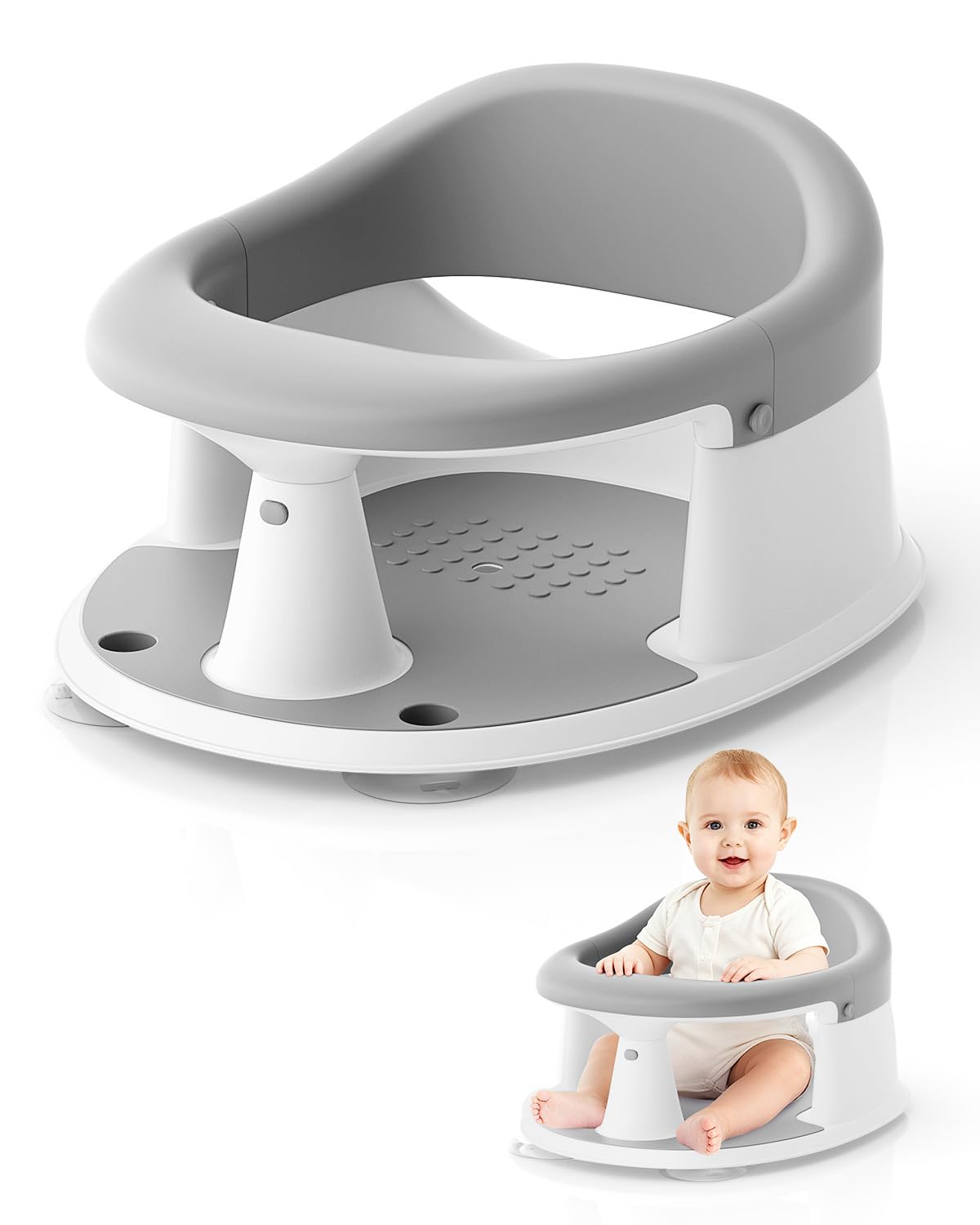
Keeping your baby bath seat clean and well-maintained is crucial for your little one's safety and comfort during bath time. A properly cared-for bath seat provides secure support while preventing mold, mildew, and wear that could compromise its functionality. Whether you own the Baby Bath Seat for Babies 6 Months & Up or another model, these maintenance practices will help extend its lifespan.
Regular Cleaning Routine
After each use, rinse your bath seat thoroughly with warm water to remove soap residue, oils, and any bath product buildup. The PP+TPR material used in quality seats like the FIDAPEKE model resists mildew, but consistent rinsing prevents issues before they start.
Once weekly, perform a deeper clean using mild dish soap and a soft cloth or sponge. Pay special attention to crevices, the ring hug armrest area, and around the suction cup bases where grime can accumulate. Avoid abrasive scrubbers that might scratch the BPA-free surface.
Suction Cup Maintenance
The four strong suction cups are your seat's stability foundation. Inspect them weekly for debris, hair, or soap scum that reduces grip. Clean each cup individually with warm soapy water and dry completely before reattaching to your tub surface.
Check for cracks, tears, or loss of flexibility in the suction cups monthly. Damaged cups compromise the non-slip security feature and should prompt immediate replacement of the seat.
Storage Best Practices
Store your bath seat in a dry, well-ventilated area between uses. Hang it or place it upright rather than leaving it flat in the tub where water can pool. This prevents mold growth and maintains the integrity of the materials.
For families who travel frequently, the compact design of many bath seats makes them ideal for vacations and hotel stays. Ensure the seat is completely dry before packing to avoid moisture damage during transport.
Safety Inspection Checklist
- Check the open design mechanism functions smoothly without sticking
- Verify all four suction cups attach firmly to smooth surfaces
- Inspect for cracks, warping, or discoloration in the seat material
- Ensure armrests and back support remain stable without wobbling
- Confirm weight capacity hasn't been exceeded as your baby grows
Verdict: Worth the Effort
Maintaining your baby bath seat requires minimal time but delivers significant returns in safety and durability. These simple habits protect your investment while ensuring every bath remains a secure, enjoyable experience for babies sitting up.
Who Should Follow This Guide
Parents with babies aged 6 months and up who use bath seats regularly will benefit most from establishing these maintenance routines. It's particularly valuable for busy households seeking to maximize product lifespan.
Who Can Skip It
If you're still using infant tubs or your child has transitioned to independent bathing, these specific maintenance steps won't apply to your current situation.
Related Buying Guides
- How to Choose the Right Baby Shower Cap: A Beginner's Guide
- 3-Piece Starter Kit vs 10-Pack Bulk Supply: Choosing the Right Medicine Dispenser Strategy
- Jool Baby TinyBums Wipe Warmer: Gray vs Oatmeal Feature-by-Feature Comparison
- Car Window Shades for Baby FAQ: Answers to Your Sun Protection Questions
- Building Your Baby's First Medicine Kit for Fall 2026: Essential Dispensers for Cold Season
- Best Kennel Cover for Outdoor Dogs: Weatherproof Protection Guide