How to Set Up Your Baby's Wipe Station: A Beginner's Complete Guide
Setting up an organized wipe station makes diaper changes faster and less stressful. This beginner's guide walks you through choosing the right dispenser, placing it strategically, and maintaining fresh wipes throughout the day.
Why Your Wipe Station Setup Matters
New parents quickly learn that diaper changes happen anywhere and everywhere. A well-organized wipe station saves precious seconds when you're holding a squirming baby with one hand. The right setup keeps wipes accessible, fresh, and ready exactly when you need them.
Unlike makeshift solutions that leave wipes drying out or buried under clutter, a proper wipe station creates consistency across every changing spot in your home.
Essential Features for Your Wipe Dispenser
Not all wipe holders work the same way. When setting up your station, look for these practical features:
- One-handed access – You'll often have a baby in one arm, so easy opening is non-negotiable
- Clear visibility – Being able to see remaining wipes prevents mid-change surprises
- Moisture retention – Proper sealing keeps wipes from drying out between uses
- Stable base – A non-slip design prevents the dispenser from sliding during pulls
- Adequate capacity – Holding at least 80 wipes reduces frequent refills
Strategic Placement Throughout Your Home
Plan multiple wipe stations rather than carrying a single container around. Place dispensers in your nursery changing area, master bedroom, living room play zone, and even the bathroom. This multi-location approach means you're always prepared regardless of where diaper duty calls.
Each station should sit within arm's reach of your changing surface but away from baby's grabbing hands.
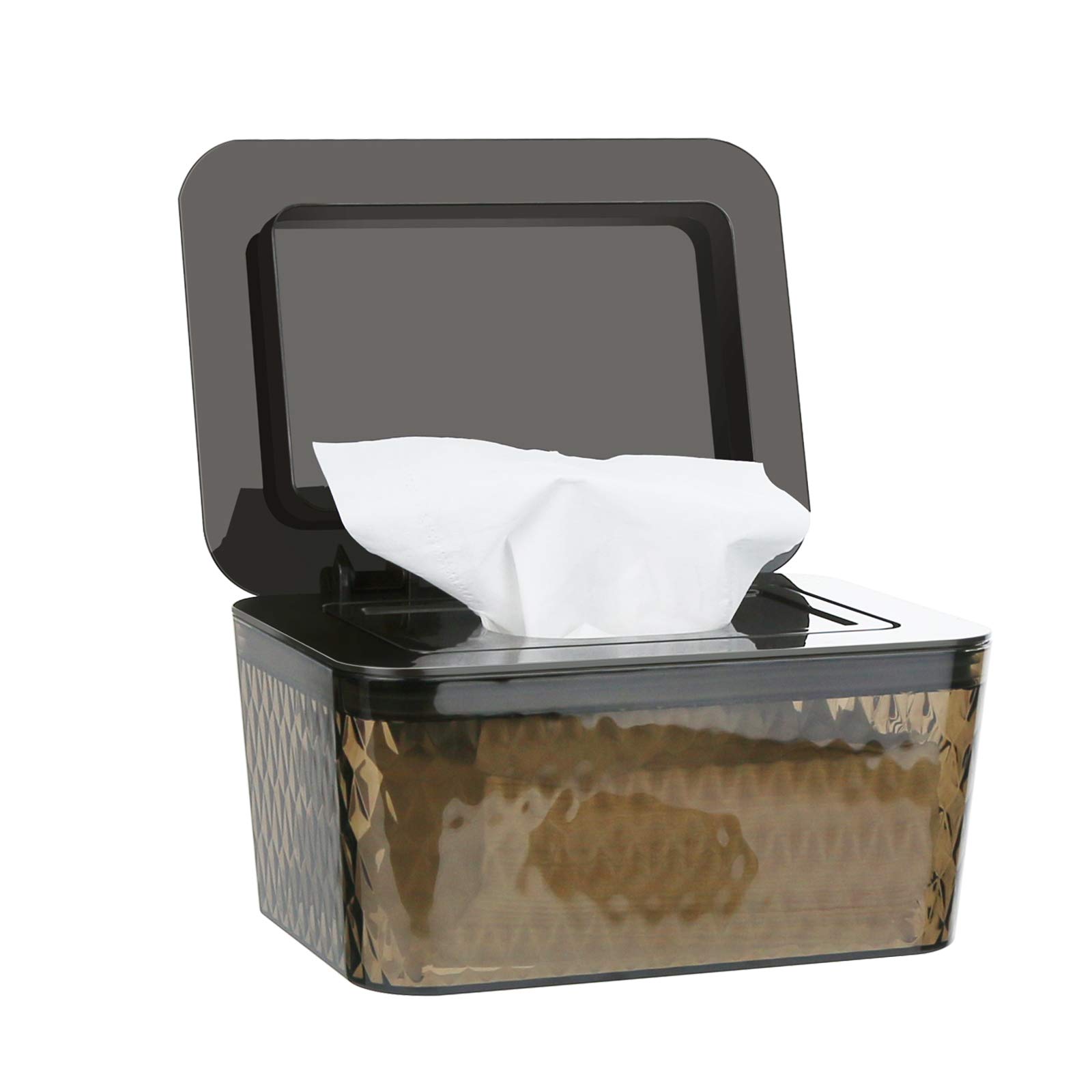
Recommended Dispenser for Multi-Room Setup
The Wipes Dispenser, One-Handed Operation Wipe Holder, Brown from Whiidoom addresses the core challenges new parents face. Its transparent plastic construction lets you monitor wipe levels at a glance, while the weighted, non-slip base stays put during one-handed pulls.
The triple-thickened seal with recessed lid design maintains moisture longer than standard containers. Beyond standard baby wipes, this dispenser accommodates paper towels, masks, and cosmetic wipes, making it useful well past the diaper years. Available in multiple colors, it fits various room aesthetics without looking purely functional.
Maintenance and Refilling Tips
Clean your dispenser weekly with a damp cloth to prevent residue buildup. When refilling, remove the entire old pack rather than stacking new wipes on top of old ones. This prevents jamming and ensures consistent dispensing.
Keep backup wipe packs near each station so refilling takes seconds, not minutes of searching through storage.
Who This Setup Suits
This approach works best for parents setting up a nursery for the first time, families with multiple changing areas, or anyone tired of wipes drying out in flimsy packaging. The transparent design particularly helps caregivers and babysitters quickly assess supply levels.
Who Should Skip This
If you exclusively change diapers in one location or prefer travel-focused solutions, a single portable wipe case might suffice. Minimalists who dislike visible storage may want built-in drawer organizers instead.
Final Verdict
Creating dedicated wipe stations eliminates the scramble during diaper changes. A dispenser with one-handed operation, clear visibility, and proper sealing transforms a chaotic routine into a smooth process. Investing in multiple units for different rooms saves time and stress throughout your parenting day.
Related Buying Guides
- How to Choose the Right Baby Shower Cap: A Beginner's Guide
- 3-Piece Starter Kit vs 10-Pack Bulk Supply: Choosing the Right Medicine Dispenser Strategy
- Jool Baby TinyBums Wipe Warmer: Gray vs Oatmeal Feature-by-Feature Comparison
- Car Window Shades for Baby FAQ: Answers to Your Sun Protection Questions
- Building Your Baby's First Medicine Kit for Fall 2026: Essential Dispensers for Cold Season
- Best Kennel Cover for Outdoor Dogs: Weatherproof Protection Guide